


Vinyl Sheet Piles for Flood Control and Water Management in the Philippines

The Philippines faces a wide range of water-management challenges, from flooding and drainage constraints to riverbank erosion and coastal exposure. For infrastructure located around rivers, waterways, drainage channels and coastal areas, retaining systems must perform in environments where prolonged contact with water, saturated soils and corrosion can affect long-term performance.
Vinyl sheet piles, also known as PVC sheet piles, offer an alternative solution for suitable flood-control, water-management and erosion-control applications.
Manufactured from PVC, the individual sheet piles connect through interlocking edges to form a continuous wall. Because PVC does not rust or rot, vinyl piling is particularly relevant for structures exposed to water and environments where corrosion resistance and reduced long-term maintenance are important considerations.
ESC Steel Philippines already supplies vinyl sheet piles for projects across the Philippines and identifies flood control as one of their established local applications.
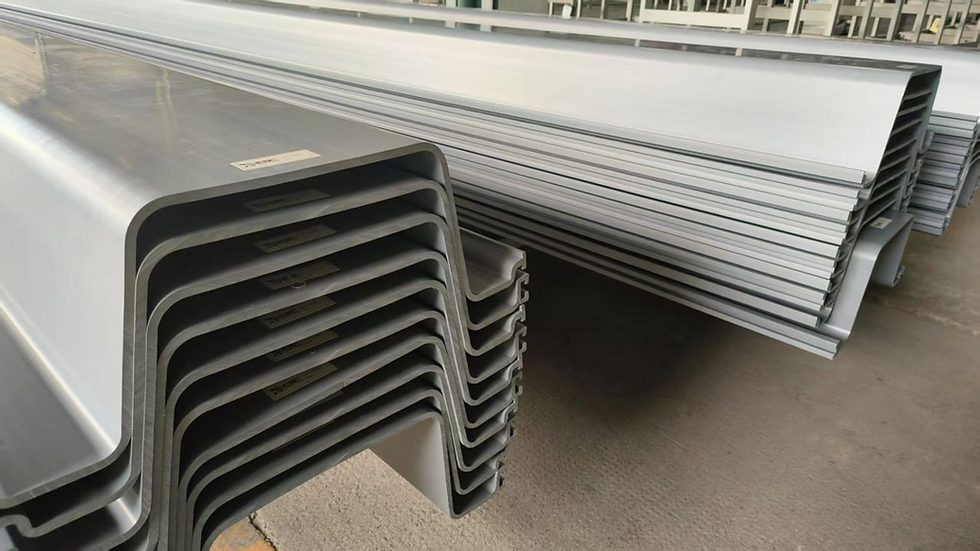
Why Consider Vinyl Sheet Piles for Philippine Projects?
In water-control structures, conventional materials may be continuously or periodically exposed to water, wet soil, groundwater or saline conditions. PVC does not oxidize like unprotected steel and does not experience the decay associated with timber.
For suitable applications, this can reduce corrosion-related maintenance requirements over the service life of the structure.
Vinyl piling also has a relatively low weight compared with many traditional piling materials, which can simplify transportation, handling and installation where site conditions and the selected installation method allow.
However, material durability alone does not determine whether vinyl piling is appropriate. Soil conditions, retained height, hydraulic pressure, scour, groundwater, surcharge loads, required embedment and installation conditions all need to be considered during engineering design.
Where Can Vinyl Sheet Piles Be Used in the Philippines?
Vinyl sheet piles can support a wide range of flood-control, water-management, shoreline protection, and erosion-control applications. Beyond seawalls, they can be used in riverbanks, drainage channels, flood barriers, ponds, reservoirs, and other structures where durable soil retention and resistance to water exposure are important.
Flood-Control Structures
Interlocking vinyl sheet piles can form continuous barriers for flood walls, levees and other flood-mitigation structures where the selected profile provides the required structural capacity. For projects regularly exposed to water, PVC's resistance to corrosion can be particularly valuable..
Rivers and Riverbank Protection
Vinyl piling can be incorporated into riverbank stabilization and erosion-control works to retain soil and create a defined boundary between land and water.
Design must consider water levels, flow conditions, soil characteristics, erosion potential and the required retaining height.
Drainage Channels and Waterways
Flood-control programs often involve improving the capacity and condition of drainage channels and waterways.
Vinyl sheet piles can provide retaining and separation functions along drainage channels, canals and similar water-control structures where engineering conditions are appropriate.
Coastal Water-Control and Erosion Protection
In coastal areas, vinyl piling may be considered for seawalls, shoreline retaining structures, erosion-control works and other applications exposed to saline environments.
Coastal applications require particular attention to wave action, scour, changing water levels and soil conditions.
Cut-Off and Seepage-Control Walls
The interlocking profiles can also create continuous below-ground barriers for groundwater, seepage and water-control applications.
Ponds, Reservoirs and Containment Structures
Vinyl piling can provide retaining, separation and water-control functions around ponds, reservoirs and other engineered water-management facilities.

Designing Vinyl Sheet Piles for Philippine Conditions
There is no single vinyl sheet pile profile or embedment depth that is suitable for every project.
A drainage channel, inland flood-control structure and coastal retaining wall can experience very different loads and ground conditions.
Engineering assessment should consider:
soil strength and stratification;
groundwater and expected water-level variations;
retained soil height;
hydrostatic and earth pressures;
erosion and scour potential;
surcharge and structural loads;
wave or current exposure where applicable;
required pile embedment;
anchoring or bracing requirements; and
installation access and equipment.
What Keeps a Vinyl Sheet Pile Wall Stable?
Corrosion resistance alone does not make a retaining or flood-control wall structurally stable.
For higher retained heights or loading conditions, tie rods may connect the wall to an anchor system, while walers and cap beams can help distribute loads and maintain alignment.
Drainage is equally important. Poor drainage, erosion behind the wall, toe scour or loss of retained soil can compromise the performance of an otherwise properly designed structure.
This is why successful flood-control and water-management works need to consider geotechnical conditions, structural loads, hydraulic forces, drainage and installation requirements together.
Vinyl Sheet Piling for Water-Control Projects in the Philippines
Across the Philippines, water-control and flood-mitigation projects require solutions that can perform in demanding, water-exposed environments. Vinyl sheet piling provides a durable, corrosion-resistant barrier for suitable applications, supporting flood protection, erosion control, bank stabilization, and water-management infrastructure.
Coastal Water-Control Application
The Interlocking vinyl sheet piles installed through an excavated coastal area, forming a continuous barrier between water and retained ground. Heavy equipment is visible along with the installation alignment, while rock protection is present closer to the shoreline.

Inland Water-Control and Bank Protection
The project demonstrates how engineered bank protection and erosion-control measures can help stabilize waterway edges and support effective water management. The system provides reinforcement along the bank while helping protect surrounding ground from erosion and water-related deterioration.

What Keeps a Vinyl Seawall Stable?
A vinyl seawall relies on suitable embedment, passive soil resistance, panel stiffness and, where required, structural support. Tie rods may connect the wall to ground or deadman anchors, while walers and cap beams can help align the piles and distribute loads.
Weak deposits, toe erosion, scour, loss of retained soil and poor drainage can undermine an otherwise correctly installed wall. These risks should be addressed through geotechnical design, hydraulic assessment, drainage provisions and routine inspection.

Are Vinyl Sheet Pile Seawalls Low Maintenance?
Generally, yes. Because PVC does not rust or rot, vinyl sheet piles can reduce corrosion-related maintenance requirements, particularly in flood-control, coastal, and water-management applications. However, like any engineered retaining system, they should still be inspected periodically to help maintain long-term performance.
Routine inspections should assess the overall condition of the sheet pile system, including:
· Wall alignment and signs of movement
· Integrity of the sheet pile interlocks
· Erosion or scour at the toe and surrounding areas
· Loss or settlement of retained material
· Drainage performance
· Condition of anchoring and structural support components
Following major flooding, storms, or other severe weather events, additional inspections can help identify erosion, ground movement, or other changes around the structure that may affect its performance.
Is Vinyl Sheet Piling Right for Your Flood-Control Project?
Vinyl sheet piles can be an effective solution where water resistance, corrosion resistance, soil retention and reduced corrosion-related maintenance are important project requirements.
The appropriate solution depends on actual ground conditions, water levels, hydraulic forces, retained height and structural loading. More demanding applications may require heavier vinyl profiles, additional anchoring or support, or an alternative piling system altogether.
The right approach starts with understanding the site rather than selecting a pile based only on length or price.
Vinyl Sheet Pile Solutions from ESC Steel Philippines

ESC Steel Philippines provides foundation and structural solutions for the Philippine market, including PVC/vinyl sheet piles, steel sheet piles, combination walls, tie-rod systems and flood barriers.
For flood-control, riverbank, drainage, coastal protection and other water-management projects, the appropriate piling solution should be selected around the project's actual engineering requirements.
Planning a Flood-Control or Water-Management Project in the Philippines?
Talk to the ESC Steel Philippines team about your project requirements and explore a suitable piling solution for your site.
Explore: ESC Vinyl Sheet Piles
Request a Quote: Contact ESC Steel Philippines


